 Skip to content


The Story of Brass Utensils in Indian Culture and Traditions
- by monorex Monorex
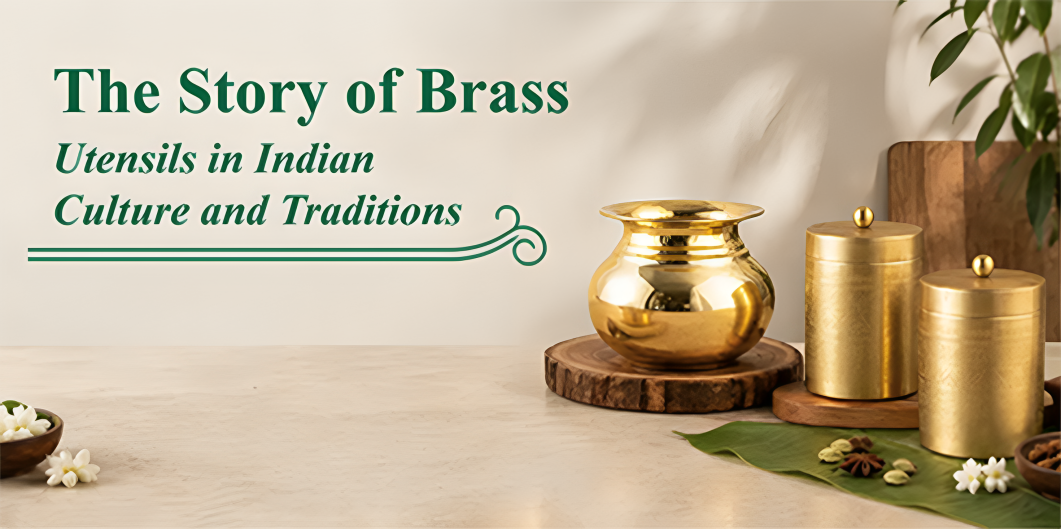
In an Indian home, a brass vessel is rarely just a piece of kitchenware. It is a storyteller.
From the heavy Ganga Jamuna water pots gleaming in courtyards to the large, polished paraats used during family wedding feasts, brass—known traditionally as Pittal—has held a central place in the cultural heartbeat of India for centuries. Long before stainless steel and modern synthetic cookware arrived, brass defined how we cooked, served, celebrated, and passed down memories from one generation to the next.
Understanding the story of brass in Indian culture reveals why this golden metal is much more than a material—it is a living tradition that belongs in every modern home.
1. Sacred Roots: Brass in Rituals and Pure Living
In Indian traditions, metals carry distinct energetic and spiritual qualities. Brass, created by blending copper and zinc, has long been regarded as a sacred metal (Pavitra Dhatu) suitable for daily spiritual offerings and auspicious ceremonies.
-
Pooja Essentials: Brass diyas, bell items, and water lotas have been used in temples and home altars for generations because brass is believed to attract positive ambient energy and hold spiritual purity.
-
Auspicious Occasions: On festivals like Dhanteras, purchasing new brass utensils is considered a symbol of bringing prosperity, health, and good fortune into the household.
This deep spiritual association meant that bringing brass into the kitchen was seen as a way of honoring the food being prepared for the family every day.
2. The Tradition of Heirloom Gifting (Kanyadaan Sets)
For decades, brass utensils served as a cornerstone of family heritage. When a daughter married and stepped into her new home, her family gifted her a curated set of handcrafted brass vessels—large storage urns, cooking kadais, thali sets, and water pots.
These items were not disposable household goods; they were built to last a lifetime. They represented family pride, financial security, and warm wishes for a prosperous home.
As decades passed, these heavy pieces were passed down from mothers to daughters and daughters-in-law. Holding an old brass vessel today connects us directly to the hands that cooked with it fifty years ago. Exploring handcrafted collections like monorex traditional brassware offers a way to bring that same timeless heirloom quality into your family today.
3. The Artistry of Indian Craftsmen (Thatheras)
The story of brass in India cannot be told without honoring the traditional coppersmiths and metal artisans, known across various regions as Thatheras.
Handcrafting a single brass vessel was an intensive, community-driven art form:
-
Beating and Shaping: Artisans repeatedly heated, hammered, and shaped raw metal sheets into precise curves.
-
Hand-Engraving: Intricate floral, floral-vine, and geometric patterns were etched by hand onto the outer surfaces.
-
The Distinctive Hammer Marks: The subtle, dimpled texture seen on authentic traditional brassware isn't a defect—it is the signature mark of manual hammering, giving each piece unique character.
By choosing authentic pieces from the monorex cookware collection, you help keep these centuries-old artisanal skills alive in an era dominated by mass factory production.
4. The Heart of Community Feasts and Hospitality
Indian hospitality (Atithi Devo Bhava) has always been reflected in how food is served. In royal courts, village gatherings, and traditional joint families alike, serving guests on large brass thalis with matching bowls (katoris) was the ultimate mark of respect.
During large community festivals and temple langars, massive brass pots called degchi or handi were used to slow-cook rich biryanis, dals, and payasam. The metal's ability to hold heat for hours meant that food remained piping hot while serving large crowds of guests.
Bringing out a monorex brassware dinner set during family dinners or festival gatherings recreates that warm, majestic dining atmosphere right at your own table.
5. Bridging Heritage with Modern Kitchen Living
Over the last few decades, fast-paced lifestyles led many households to replace traditional brass with lightweight, disposable cookware. But as modern families look for non-toxic cooking choices and deeper connections to their cultural roots, brass is experiencing a grand revival.
Bringing brass back into your daily routine doesn't mean living in the past—it means choosing kitchenware that respects health, honors craftsmanship, and brings timeless elegance to modern meals.
Common Questions About Cultural Brassware
Why do traditional brass utensils have hand-hammered marks?
The dimpled texture on traditional brassware comes from manual hammering by skilled metal artisans. This process compacts the metal to make it stronger and more durable while giving each vessel its authentic, handmade character.
What is the difference between brass and bronze in Indian traditions?
Brass (Pittal) is an alloy of copper and zinc, commonly used for daily cooking, water storage, and pooja items. Bronze (Kansa) is an alloy of copper and tin, traditionally favored for eating utensils and thali sets due to its distinct digestive benefits.
How can I store brass heirlooms so they don't tarnish easily?
Keep your brass vessels in a dry, moisture-free space. If you are storing them long-term, wrap them in a clean cotton cloth and ensure they are completely dry after washing.
Final Thoughts
The story of brass utensils in India is a story of connection—connecting family members around the dining table, connecting modern homes with ancient wellness wisdom, and passing down traditions from one generation to the next.
Discover authentic handcrafted brassware, dinner sets, and cookware designed for modern homes at monorex.